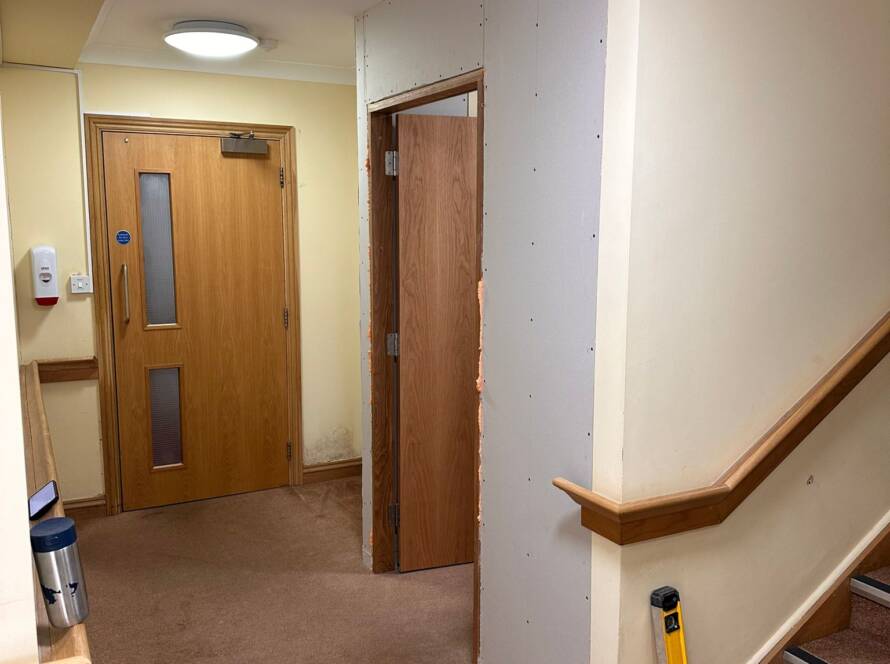
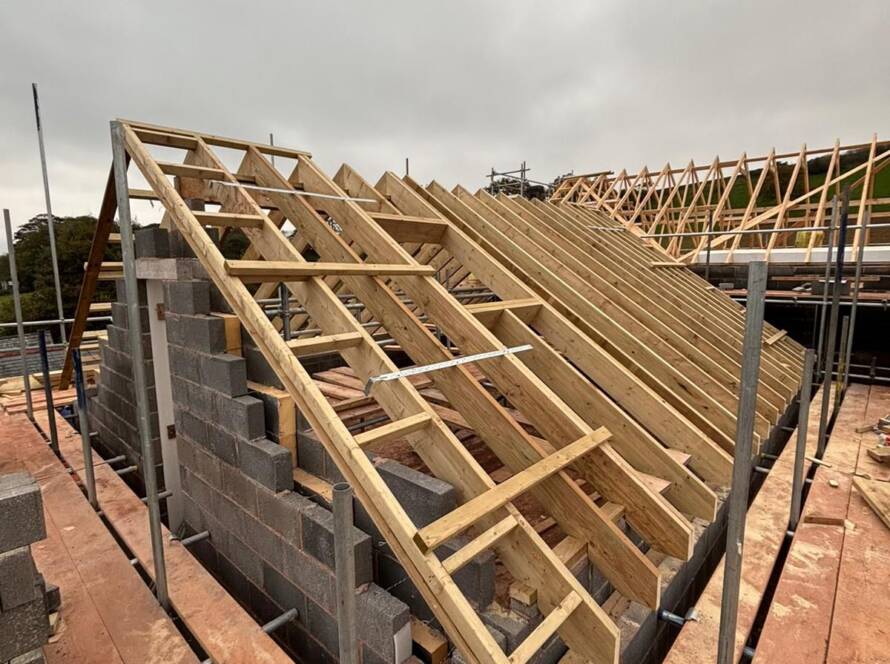
In Exeter you’ll need carpenters who respect historic fabric while delivering modern performance. You’ll want precise joinery, accurate period detailing, and contractors who navigate conservation rules and sourcing constraints. Professional teams provide technical assessments, bespoke solutions, and project coordination to protect value and durability. If you care about authenticity and compliance, there are specific trade-offs and steps you’ll want to ponder next.
Key Takeaways
- Expertise in conserving Exeter’s historic fabric, matching period profiles, materials, and reversible techniques for listed and character properties.
- Bespoke joinery delivers precise, made-to-measure fittings that integrate modern services while preserving original architectural detailing.
- Professional carpenters provide structural and moisture diagnostics, ensuring repairs accommodate thermal movement and timber longevity.
- They navigate planning, listed-building consents, and building regulations, reducing risk of enforcement and ensuring compliant interventions.
- Local sourcing of sustainably certified timber, batch traceability, and documented workmanship lowers embodied carbon and ensures material suitability.
Understanding Exeter’s Architectural Heritage and Joinery Needs
Because Exeter combines medieval, Georgian and Victorian fabric, you’ll need joinery that respects varied historic profiles, materials and conservation controls. You must assess structural tolerances, moisture regimes and thermal performance, and specify timber species, profiles and fixings that match period detailing without compromising regulatory compliance. Your scope should document architectural considerations, glazing requirements, fire safety and acoustic performance, and integrate conservation area consent where applicable. Consider regional influences—local stone, slate, and traditional paint palettes—to inform finish selection and durability strategies. Prioritise reversible interventions, measured drawings and rigorous substrate surveys. You’ll coordinate with planning officers and heritage advisors, schedule phased installation to mitigate risk, and record decisions for future maintenance and audit. Provide specifications for long-term performance monitoring and measurable conservation outcomes and statutory reporting.
Skilled Craftsmanship for Restoring Period Features
Having established the architectural, material and regulatory constraints, you’ll need craftsmen who combine traditional hand skills with measured, repeatable techniques to repair and reinstate period features. You’ll require operatives proficient in joinery conservation, moulding replication, timber consolidation and join reconstruction, applying documented procedures that prioritise careful preservation over irreversible replacement. Diagnostic assessment, moisture profiling and historic paint analysis inform intervention scope, while jigs, moulds and templates guarantee dimensional fidelity. Surface preparation and adhesive selection follow conservation-grade specifications to enable authentic refinishing that matches patina, substrate and finish systems. You’ll expect controlled intervention records, reversible methodologies where possible, and compliance with conservation officer recommendations, so each restored element performs structurally and visually without compromising historic integrity and meets current building safety longevity and performance requirements.
Bespoke Joinery Solutions for Modern Living Spaces
Joinery tailored to contemporary living demands precision engineering and considered material selection: you’ll specify stable species (usually kiln‑dried hardwoods at 8–12% MC or engineered veneers over plywood), tight machining tolerances (±0.5 mm typical for visible joints), and detailing that accommodates modern services and movement. You’ll expect CAD/CAM outputs, joint schedules and cutting lists to reduce on-site variance. Material choices are driven by moisture control, stiffness and surface durability; fastenings and adhesives meet engineered values. You’ll get modular zones and customizable design layouts supporting concealed services and storage. Tolerances, bearing areas and ventilation paths are documented. For contemporary furniture integration you’ll receive interface details, fixing points and load ratings. Installation covers substrate preparation, fixity and movement mitigation. Drawings and maintenance notes complete the technical package.
Compliance With Local Regulations and Listed-Building Requirements
You’ll need to coordinate statutory approvals, conservation officer input and listed‑building consents early in the project to safeguard against costly revisions and non‑compliance. You’ll liaise with planning, surveyors and carpenters to map constraints, determine required documentation and validate permit requirements. A professional carpenter interprets listed building restrictions, prepares technical drawings and submits compliant details.
| Aspect | Responsibility | Outcome |
|---|---|---|
| Statutory Approvals | Client/Planner | Approval secured |
| Conservation Input | Conservation Officer | Condition guidance |
| Listed Restrictions | Carpenter/Surveyor | Design constraints |
| Permit Requirements | Local Authority | Permit issued |
That disciplined approach reduces risk, avoids enforcement action and guarantees interventions are reversible, documented and auditable. You’ll receive documented schedules, inspection logs and condition reports that satisfy conservation officer queries and simplify future maintenance, handover and any retrospective consent reviews without compromising historic fabric or detail.
Sourcing Sustainable and Suitable Materials Locally
Although local availability varies, you’re expected to prioritise materials with verified sustainability credentials (FSC, PEFC, BES 6001), documented provenance and demonstrable physical suitability—moisture content, species durability, VOC emissions and dimensional stability—for the intended internal environment. You must evaluate timber grading, kiln-drying certificates and adhesive VOC ratings, and specify finishes compatible with humidity profiles. Engage eco friendly materials that meet structural and fire-performance requirements, and obtain batch traceability from locally sourced suppliers to reduce embodied carbon. Request test data sheets, sample panels and compliance declarations before procurement. Specify tolerances for machining and acclimatisation periods; record acceptance criteria on contracts. By enforcing these controls you mitigate risk, ascertain longevity and validate sustainability claims for joinery and interior upgrade works. You should document outcomes for client records.
Coordinating Trades and Managing Project Timelines
When coordinating trades and schedules, establish a single master programme that integrates procurement lead times, on‑site access windows, machining tolerances and quality checkpoints. You’ll map critical path activities, assign trade interfaces, and set hard milestones tied to inspections and handovers. Use shared digital logs and versioned drawings so subcontractors pull consistent data; enforce cut‑off dates for change orders to prevent slippage. As you monitor float and buffer allocations, escalate resource conflicts immediately and re-sequence tasks to preserve install windows. Weekly progress meetings with concise action logs keep accountability; daily site records support claims and variations. Effective project coordination reduces idle time, controls costs and delivers predictable outcomes. Rigid timeline management is non‑negotiable for complex joinery programmes. You must document deviations and approval timestamps promptly.
Improving Home Value and Market Appeal With Quality Workmanship
You’ll boost curb appeal with precise exterior joinery and finishes that emphasize clean lines and consistent material shifts. Durable joinery—correct joint selection, stainless fasteners, and moisture‑resistant adhesives—reduces maintenance, preserves tolerances, and extends service life. Those measurable improvements in condition and longevity translate directly into higher resale value and stronger buyer confidence during inspection.
Boosting Curb Appeal
Because curb appeal is the first metric buyers and appraisers use to judge a property’s condition, upgrading visible joinery and finishes to industry tolerances directly increases perceived value and marketability. You’ll target entry doors, window casings, porch balustrades and fascias with measured interventions that prioritise alignment, profile consistency and finish continuity. By specifying materials, paint systems and joinery tolerances, you’re maximizing visual impact while reducing corrective rework. Small, calibrated adjustments—threshold rebates, consistent reveal gaps, sealed mitres—deliver immediate aesthetic elevation without speculative expenditure. A professional carpenter executes these tasks to standard schedules, ensuring repeatable outcomes when revitalizing home exterior elements and integrating with landscaping or lighting plans. That precision-focused approach makes the property more attractive to buyers and appraisers, translating workmanship into measurable market advantage.
Durable Joinery Benefits
Although often overlooked, durable joinery directly reduces long-term maintenance costs and preserves finish integrity, increasing a home’s functional lifespan and buyer confidence. When you specify hardwoods, engineered laminates or properly treated softwoods, you get components engineered for moisture resistance and dimensional stability. That reduces joint creep, seal failure and finish delamination under variable humidity and temperature cycles. Professional carpenters apply certified adhesives, stainless fasteners and controlled assembly tolerances to guarantee predictable performance. You’ll benefit from tighter fits, consistent reveal geometry and reduced service interventions. Inspections become straightforward because defects are less frequent and attributable causes more identifiable. For interior upgrades such as doors, staircases and cabinetry, durable joinery minimizes operational degradation and conserves aesthetic uniformity. That technical reliability strengthens market appeal through construction quality.
Higher Resale Value
Durable joinery directly influences how appraisers and buyers quantify a home’s condition and expected lifecycle, so when you specify hardwoods, certified adhesives and stainless fasteners you’re not just improving performance—you’re increasing measurable asset value. You’ll see this in quantified adjustments to property resale potential and in buyer confidence metrics that drive increased home resale value. Prioritize precision joinery, documented materials, and certified installation to convert performance into market premium.
- Use certified materials to substantiate lifespan claims.
- Request install documentation to reduce perceived risk.
- Opt for proven finishes that lower maintenance forecasts.
These measures create verifiable differentials in comparable sales, so you’ll command a higher offer and shorter listing time. Appraisers will quantify quality; buyers will pay the premium required, repeatedly, confidently.
Practical Advice on Maintenance and Long-Term Durability
A few targeted maintenance actions will substantially extend the service life of joinery and interior carpentry. You’ll implement regular maintenance schedules specifying inspection intervals, component tolerances and corrective actions; document results and prioritize repairs. Monitor and control humidity with moisture control strategies: install ventilation, use dehumidifiers, seal external joints, and maintain flashing to prevent capillary ingress. Refinish surfaces according to wear patterns, using compatible coatings and correct drying protocols. Lubricate hinges and moving parts with suitable greases and replace seals before failure. Keep drainage clear and maintain controlled thermal expansion gaps. For timber, conduct periodic pest inspections and treat accordingly. Following these disciplined procedures reduces long-term degradation, limits costly interventions, and preserves function and appearance. Seek professional assessments for complex structural issues. Schedule reviews.