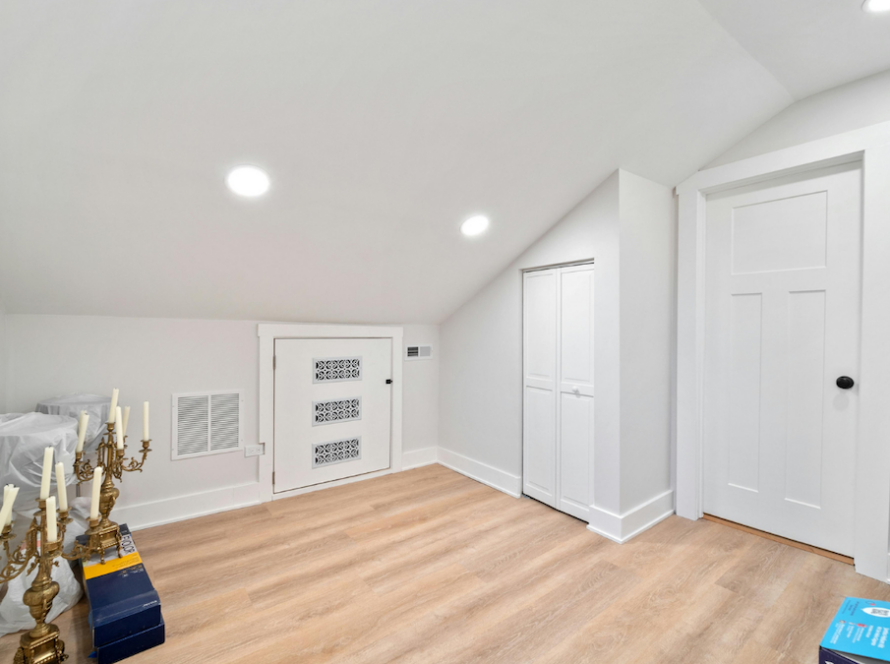
Second fix carpentry in Bristol focuses on the fine details that elevate your home’s interior. It involves meticulous joinery techniques, high-quality materials, and a keen eye for aesthetics. Elements like skirting boards, architraves, and custom cabinets not only enhance visual appeal but also improve functionality and organization. Choosing the right finishes and storage solutions can transform a space completely. Discover how the right craftsmanship can truly make a difference in your project’s outcome as you explore further.
Key Takeaways
- Second fix carpentry in Bristol focuses on essential finishing touches to enhance the functionality and aesthetic of interiors.
- Mastery of joinery techniques ensures perfect fittings and structural integrity, critical for a polished finish.
- High-quality materials, such as engineered wood paneling, are vital for durability and visual appeal in finished spaces.
- Incorporating skirting boards and architraves provides clean edges and protects walls while enhancing overall style.
- Custom cabinets can maximize space efficiency and align with the home’s overall design, transforming interiors with functional elegance.
Understanding Second Fix Carpentry
Second fix carpentry is essential for transforming a building from a shell into a functional space, as it deals with all the finishing touches that bring a project to life. When you engage in second fix carpentry, you’ll find yourself immersed in the art of proper joinery techniques, ensuring that each element not only fits perfectly but also enhances the overall integrity of the structure. Material selection considerations come into play here, as choosing the right materials can greatly impact durability and aesthetics. For instance, opting for high-quality wood or engineered materials can elevate a space’s appeal. Your attention to detail at this stage will define the project’s quality, making it vital to apply both skill and knowledge effectively.
Essential Elements of Second Fix Carpentry
A myriad of essential elements defines second fix carpentry, each playing a pivotal role in achieving your project’s aesthetic and functional goals. Key tasks include installing wood paneling, which can dramatically enhance the character of your interiors. Additionally, optimizing storage solutions is vital for maximizing space efficiency.
| Element | Purpose | Benefits |
|---|---|---|
| Wood Paneling | Enhances aesthetics | Adds warmth and texture |
| Storage Solutions | Utilizes available space | Keeps areas organized |
| Finishing Touches | Completes refined look | Elevates overall appeal |
Incorporating these elements effectively will guarantee your second fix carpentry project meets expectations and stands the test of time.
The Importance of Skirting Boards and Architraves
When you consider the finishing touches in your space, skirting boards and architraves play a vital role. They not only enhance the aesthetic appeal of your interiors but also help define boundaries within a room. Additionally, these features protect your wall surfaces from damage, ensuring that your investment lasts.
Enhancing Aesthetic Appeal
Skirting boards and architraves might seem like mere finishing touches in carpentry, but they play an essential role in enhancing a room’s overall aesthetic appeal. These elements help create balanced visual elements that tie together a harmonious color palette. Here’s how they contribute:
- Completion of Edges: They neatly finish off walls and floors, providing a polished look.
- Color Coordination: Choosing the right colors can enhance or contrast your palette effectively.
- Visual Heightening: Tall skirting boards can give the illusion of increased ceiling height, affecting perception.
- Style Definition: Different styles can reflect your personality, from classic to contemporary.
Defining Space Boundaries
While you might focus on larger design elements in a room, the subtle inclusion of skirting boards and architraves plays an essential role in defining spatial boundaries. These features effectively assist in defining floor to wall changes, providing a clean, polished look that draws the eye seamlessly around your space. Skirting boards not only protect walls but also act as a visual anchor, bringing together various design elements. Meanwhile, architraves frame doors and windows, enhancing their importance while providing a clear demarcation of room divisions. Choosing suitable profiles for these elements allows you to reinforce your overall aesthetic while ensuring that each zone within your interior has its own defined identity. Don’t overlook these critical details; they’re crucial for a cohesive finish.
Protecting Wall Surfaces
Though often overlooked, skirting boards and architraves serve a critical function in protecting wall surfaces from daily wear and tear. These elements are essential wall protection methods, ensuring your interior’s longevity and aesthetic appeal.
- Durability: They absorb impacts from furniture and foot traffic, minimizing damage to walls.
- Cleanliness: Skirting boards help prevent dirt accumulation at the base of walls, making cleaning easier.
- Finish: They provide a discreet interchange between walls and floors, enhancing surface finishing techniques.
- Aesthetic Appeal: Well-chosen profiles add character and sophistication to your interior design.
Neglecting these details can lead to increased maintenance costs, so invest in high-quality skirting boards and architraves to safeguard your spaces effectively.
Doors: Aesthetic and Functional Considerations
When you’re considering doors for your space, it’s essential to balance both aesthetic appeal and functional efficiency. The right door not only enhances your interior design but also addresses practical needs like door clearances and hardware selection. Choosing door styles, materials, and finishes carefully can elevate your space.
Here’s a quick comparison to help you decide:
| Aesthetic Aspect | Functionality Aspect |
|---|---|
| Design Style (e.g., Modern, Traditional) | Door Clearances (guarantee proper fit) |
| Color and Finish (complement existing decor) | Door Hardware Selection (locks, hinges) |
| Texture (smooth or textured) | Accessibility (ease of use) |
| Size (fit for the space) | Energy Efficiency (insulation qualities) |
| Glass Elements (for light) | Durability (material quality) |
Balancing these factors guarantees a cohesive and functional space.
Enhancing Space With Custom Cabinets
Custom cabinets can transform your space, offering not only tailored storage solutions but also a significant upgrade to your interior aesthetic. By focusing on optimizing storage, you can create a practical yet stylish environment that reflects your personal taste. Here are some key benefits of custom cabinets:
Transform your space with custom cabinets that blend tailored storage solutions and elevated interior aesthetics.
- Maximized Space: Utilize every inch, turning awkward corners into functional areas.
- Tailored Design: Choose materials and finishes that align with your home’s style, personalizing aesthetics to your liking.
- Innovative Features: Integrate lighting, pull-out shelves, or specialized compartments for enhanced functionality.
- Durability: Invest in high-quality craftsmanship to guarantee longevity and resist wear.
Choosing the Right Craftsman for Your Project
How do you guarantee that your carpentry project turns out exactly as you envisioned? Choosing the right craftsman is pivotal. Start by evaluating the craftsman’s portfolio; their previous work should exemplify the craftsmanship and style you desire. Look for diversity in projects to confirm versatility. Next, assess customer references; authentic feedback from past clients can reveal their reliability, attention to detail, and ability to meet deadlines. Don’t hesitate to ask specific questions about their experience and approach. Additionally, consider their communication style—clear communication can prevent misunderstandings and elevate the project outcome. Ultimately, investing time in selecting the right craftsman pays off, leading to stunning results that enhance your interior and fulfill your vision seamlessly.
Frequently Asked Questions
What Materials Are Commonly Used in Second Fix Carpentry?
In second fix carpentry, you commonly use hardwoods like oak or maple, alongside softwoods such as pine. Specialized tools, including chisels and nail guns, help verify precision in your detailed finishes and installations.
How Long Does Second Fix Carpentry Usually Take?
Second fix carpentry typically takes one to three days, depending on project complexity. You’ll want to factor in details like the size of the space and intricacies of the finishes to get a clearer timeline.
Are Permits Required for Second Fix Carpentry Work?
Yes, permits are often required for second fix carpentry, depending on local building code requirements and municipal regulations. Always check with your local authority to guarantee compliance and avoid potential fines or complications.
Can I Do Second Fix Carpentry Myself?
Yes, you can tackle second fix carpentry yourself if you’ve got basic DIY skills. It’s a rewarding part of home improvement projects, allowing you to customize your space while enhancing your craftsmanship and attention to detail.
What Should I Expect in Terms of Cost?
You can expect costs to vary based on materials and labor. When budgeting, factor in pricing considerations like quality and complexity, ensuring you allocate enough for unexpected expenses while aiming for a high-quality finish.